That’s a great request! I can certainly create five-chapter reading practice stories suitable for Year 9 students in Queensland, complete with comprehension questions.
Here is the first chapter of the first story.
📚 Story 1: The Reef Guardians 🐠
Chapter 1: The Coral Coast Calling

The bus shuddered to a halt, spitting up a cloud of red dust that tasted like iron and sun-baked earth. Outside the window, the world had changed from the sprawling, concrete suburbs of Brisbane to a landscape of scrubby eucalypts and the blinding white sand of the Coral Coast.
Maya sighed, pulling her headphones off. This was it. Two weeks of “eco-tourism volunteering” with her marine biologist aunt, Clara. She’d envisioned a fortnight of glamorous research boats and maybe spotting a whale. Instead, she was looking at a rustic, weather-beaten shack on the edge of a tiny QLD town, one that looked like the wind had forgotten it.
“Welcome to Port Douglas, Maya,” her aunt Clara’s voice was bright, full of the kind of relentless enthusiasm Maya found exhausting. Clara, a woman whose skin was permanently tanned and eyes crinkled from a life spent squinting at the ocean, hugged her tightly.
“It’s… quiet,” Maya offered, trying to sound positive.
“Quiet is good, Maya. Quiet means the reef is still talking,” Clara said, pulling a heavy duffel bag from the bus luggage compartment. “Listen, you’re here to help, but you’re also here to learn. The Great Barrier Reef is under threat like never before. We’re working with a local organisation, the Reef Guardians, who monitor the health of the coral in the shallower zones. Your job will be helping to process the data we collect.”
As they drove the final kilometre to the research station, the air grew thick with the smell of salt and flowering frangipani. The station wasn’t just a shack; it was a cluster of basic cabins built on stilts. In the centre was a large, open-air shed housing microscopes, monitors, and an impressive array of diving gear.
“Tomorrow, we start with the transects,” Clara explained, pointing to a large map pinned to a corkboard. Red circles marked areas of interest. “But tonight, you unpack. Then, a walk along the beach. I want you to see what you’re fighting for.”
Maya nodded, the thought of the beach suddenly appealing. As she dropped her bag inside her cabin, she noticed a small, hand-painted sign nailed above her desk: “Respect the Silence. Listen to the Water.”
She stepped out onto the porch just as the sun began to dip, painting the sky in violent shades of orange and purple. The tide was out, leaving behind a slick, mirrored surface on the sand. In the distance, the ocean was an impossibly clear turquoise, a colour that seemed too vibrant to be real. It was beautiful, undeniably. But she couldn’t shake the feeling that this “quiet” coast was holding a secret, a kind of tension beneath its calm surface.
Comprehension Questions (Chapter 1)
- Where is Maya arriving, and who is she going to be working with?
- What is Maya’s aunt Clara’s job, and what organisation are they working with?
- What specific task will Maya be helping with during her two weeks of volunteering?
- What is the main contrast described between the place Maya came from and the Coral Coast?
- What feeling does Maya get about the “quiet coast” as the chapter ends?
Here is Chapter 2 of Story 1: The Reef Guardians.
📚 Story 1: The Reef Guardians 🐠
Chapter 2: The Hidden Data Stream

The next morning started early. Maya was up before dawn, the sound of the ocean a constant, rhythmic presence. The air in the central research shed was already buzzing with quiet activity. Aunt Clara was checking oxygen tanks, while two other local Reef Guardians, a sun-weathered man named Kai and a focused university student named Zoe, were meticulously laying out sampling equipment.
“Good morning, sleepyhead! Fuel up,” Clara called, gesturing to a communal table piled with fresh fruit and thick slices of toast. “Kai and Zoe are heading out to the transects soon. While they’re underwater, you and I are going to tackle the data from yesterday’s collection.”
Maya finished her breakfast and followed Clara to a corner desk dominated by a large monitor and a series of high-powered microscopes. Clara pulled up a sophisticated GIS (Geographic Information System) map of the reef zone .
“Our main job, Maya, is monitoring the coral’s health and documenting the rate of bleaching,” Clara explained, pointing to pale areas on the map. “You’ll be working with a specific set of photographs taken along designated 100-meter lines, or transects. We need to know the percentage of different coral species and the level of degradation for each. It’s tedious, but vital.”
Maya spent the morning peering through a microscope. She had to identify tiny organisms—zooplankton—that were crucial to the reef’s food chain, and then cross-reference her findings with photos of the coral itself. It was precise work, demanding focus, and Maya found herself surprisingly engaged.
Around midday, a ping sounded on the computer. It was a new data file that hadn’t come from Zoe or Kai.
“That’s odd,” Clara muttered, leaning over Maya’s shoulder. “That file came from a separate remote sensor we placed a few weeks ago, much further north. It monitors water temperature and pH levels.”
The data that flashed onto the screen was worrying. The water temperature was higher than the seasonal average, and the pH level—the measure of acidity—was dangerously low. Ocean acidification is a major stressor for corals.
“That’s not good, Maya,” Clara’s voice was tight. “That area is supposed to be a protected nursery. If those numbers are accurate, that nursery is in serious trouble.”
As they discussed the implications, Maya noticed something strange in the data log. A small, hidden stream of code was embedded within the temperature readings, almost like a digital watermark. It wasn’t a standard part of the sensor’s output. She highlighted the section and zoomed in. It wasn’t random noise. It was a series of encrypted GPS coordinates—coordinates that pointed not to the protected nursery, but to a location much closer to the coast, near a large, newly developed resort complex.
“Aunt Clara,” Maya whispered, her heart beginning to thump. “I think someone is trying to hide something.”
Comprehension Questions (Chapter 2)
- What scientific tools did Maya use in the morning, and what was she identifying under the microscope?
- What does the term ‘transect’ refer to in the context of the Reef Guardians’ work?
- What specific data did the remote sensor transmit, and why was the information worrying?
- Besides the high temperature and low $\text{pH}$, what strange detail did Maya notice in the data log?
- What did the strange detail turn out to be, and where did it seem to be directing them?
Here is Chapter 3 of Story 1: The Reef Guardians.
📚 Story 1: The Reef Guardians 🐠
Chapter 3: The Developer’s Veil
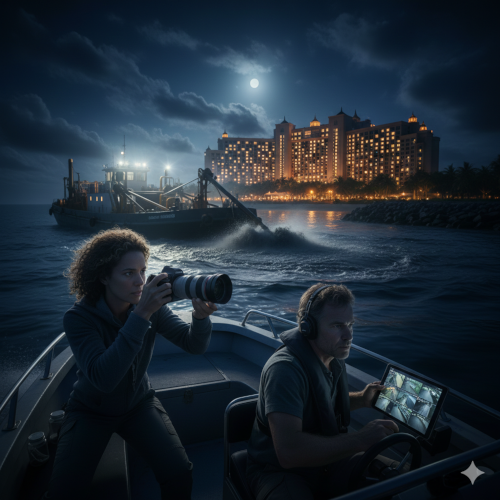
Clara stared at the encrypted GPS coordinates, her usual cheerful composure giving way to a frown of deep concern. “That’s not right, Maya. Those coordinates point to the area just behind the Cairns Coastal Resort development. They were granted a permit for minimal dredging, far from any major coral nursery, but this… this is too close.”
The Cairns Coastal Resort was a massive, luxury development that had been the subject of fierce debate in the local community. Environmental groups had strongly opposed it, arguing that even limited coastal work could harm the delicate balance of the reef’s ecosystem.
“Why would someone hide coordinates inside a temperature sensor log?” Maya asked, tapping the screen.
“A few reasons,” Clara replied, moving swiftly to the secure server. “The remote sensor is located where it is for a reason—it’s out of sight and has a long-range transmitter. The person who placed it knows our system. They’re likely trying to redirect our attention away from their real activity. The high temperature and low pH readings? Those were probably fake data inserted to scare us into focusing on the protected nursery, giving them a clear run here.”
Clara printed the coordinates, which were represented by and , and cross-referenced them with a detailed nautical chart. The coordinates landed directly on a narrow, deep-water channel adjacent to the resort’s private marina construction zone.
“They’re dredging,” Clara concluded, her voice low and serious. “And if they’re dredging near that channel, they’re stirring up silt and fine sediment. That mud can settle on the corals, smothering them and blocking the sunlight they need for photosynthesis. It’s silent damage, and it can wipe out hectares of reef before anyone knows.”
Just then, Zoe and Kai returned, dripping wet and carrying their filled sample bags. Clara quickly explained their discovery. Kai, a local fisherman turned conservationist, became immediately agitated.
“We knew they weren’t playing straight,” Kai growled. “The resort developers, ‘Coastline Holdings’—they have a history of cutting corners. Their official survey boats are only out during the day. If they’re dredging illegally, they’ll be doing it at night when the noise is harder to detect, and the lights are less conspicuous.”
They hatched a plan. They couldn’t accuse Coastline Holdings without proof, and they needed photographic evidence of the dredging activity. The illegal dredging operation was clearly happening near the resort’s marina construction site.
“Tomorrow night, we take the small, fast patrol boat,” Clara decided. “We need to get close enough to the channel to get clear photos of the dredging equipment in operation and collect a sediment sample. Maya, your job will be to stay back and monitor the resort’s online security feeds, if they have any, to watch for unusual patterns of movement or lighting that might indicate their activity.”
Maya felt a rush of adrenaline. She had come here expecting microscopes and plankton, and now she was part of an environmental investigation. The silence of the Coral Coast suddenly felt less like peace and more like a warning.
Comprehension Questions (Chapter 3)
- Why did Maya and Clara believe the initial remote sensor data about the protected nursery was fake?
- What does the GPS coordinate reveal about the location of the suspected illegal activity?
- According to Clara, what is the specific environmental damage caused by dredging near the reef?
- What is the name of the development company Kai mentions, and what does he suspect about when they are conducting the illegal activity?
- What role is Maya assigned in the plan to gather evidence, and what will the others be doing?
Here is Chapter 4 of Story 1: The Reef Guardians.
📚 Story 1: The Reef Guardians 🐠
Chapter 4: Night Patrol
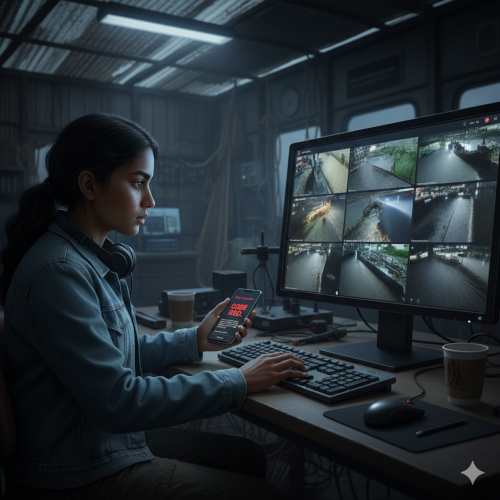
The atmosphere at the research station the following night was tense, charged with a mixture of excitement and caution. The wind was low, and the ocean was flat—perfect conditions for a quick, stealthy patrol.
Maya sat hunched over the computer in the central shed, the blue glow of the monitor the only light. She was running a program designed to scan for anomalies in the resort’s power consumption and surveillance patterns, a tactic she’d learned from a cyber-security documentary.
Clara, Kai, and Zoe, dressed in dark, non-reflective gear, were making final checks of the boat’s gear: a high-definition camera with a powerful flash, waterproof evidence bags, and a basic depth sounder.
“We’ll take the boat out quietly and anchor about 300 metres from the coordinates,” Clara instructed. “Maya, if you see any significant spike in their on-site power usage, or if any floodlights switch on near the marina, you send us an emergency text code: ‘CODE RED’. If the coast is clear, send ‘CODE GREEN’ every half-hour.”
At 10:30 PM, the patrol boat slipped silently into the water, its small engine running at a whisper. Maya watched their navigation beacon move slowly across the digital map until it stopped near the target channel.
She waited. Ten minutes passed. The screen showed the usual, predictable energy usage of a massive, half-empty resort. ‘CODE GREEN’.
Then, at 11:05 PM, the screen flickered. A power spike occurred—a huge, sustained surge that lasted for several minutes before settling back down to a high, constant level.
“That’s it,” Maya muttered, her fingers flying across the keyboard. “That’s heavy machinery.”
She immediately composed the emergency text: ‘CODE RED’.
Moments later, Clara’s response came back: “We see it. Massive vessel, no running lights, actively dredging. Sending you photos now.”
The photos that downloaded onto Maya’s screen were damning. They clearly showed a large barge with an industrial suction dredge arm lowered into the water right in the channel. . Fine, brown sediment—silt—was being churned up in vast clouds around the vessel. This was the proof they needed that Coastline Holdings was illegally conducting major dredging operations outside their permitted hours and scope.
As Maya was zooming in on the barge’s registration number, the resort’s surveillance system suddenly changed. A bank of powerful floodlights near the marina, previously dark, clicked on, bathing the water and the channel in harsh white light. The light was aimed directly at the Reef Guardians’ hidden boat.
“They saw them!” Maya gasped. The barge’s dredging arm instantly retracted, and the large vessel started to move rapidly away from the channel, heading towards the open ocean to escape Australian territorial waters.
Maya frantically typed a warning text: “LIGHTS ON! THEY KNOW! VESSEL HEADING EAST!”
She knew the small patrol boat couldn’t catch the industrial barge. The mission was compromised, but the evidence was secure. The Reef Guardians had the photos, and the coordinates. Now, they needed to make it count.
Comprehension Questions (Chapter 4)
- What was Maya’s primary task during the night patrol, and what specific electronic patterns was she looking for?
- What did the large and sustained power spike on Maya’s screen indicate was happening at the resort’s marina?
- What incriminating evidence did the photos sent by Clara show?
- What two actions did the developers take after the floodlights were turned on, revealing they knew they’d been spotted?
- Why did Maya realise the patrol boat couldn’t catch the dredge barge, and what was the new focus of the mission?
Here is Chapter 5 of Story 1: The Reef Guardians, which concludes the first story.
📚 Story 1: The Reef Guardians 🐠
Chapter 5: Tipping the Scales
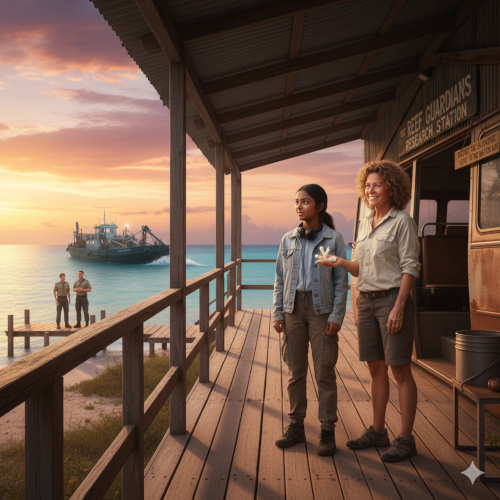
Back at the research station, the adrenaline was slowly being replaced by cold, calculated determination. Despite the immediate danger, Clara, Kai, and Zoe were buoyed by the evidence they had secured. The photos were clear, showing the suction dredge, the churning plume of silt, and the unmistakable logo and registration number of the barge, which traced directly back to Coastline Holdings.
“They tried to bury the real data,” Clara declared, looking at the captured GPS coordinates on the nautical chart. “They tried to distract us with a false alarm at the protected nursery. But Maya found their digital breadcrumb, and we got the proof.”
Maya felt a rush of satisfaction. Her hours spent monitoring the data had paid off far more than she’d ever imagined.
The next morning, the team compiled their evidence. Maya put together a detailed timeline, cross-referencing the power spike she’d detected with the time-stamps on the high-definition photos and the corrupted sensor data. The case was meticulously built, showing a clear pattern of illegal nocturnal activity designed to maximise dredging and minimise detection.
Clara immediately contacted the Queensland Parks and Wildlife Service (QPWS) and the local Maritime Authority. Because the Great Barrier Reef is a protected marine park, laws regarding illegal dredging are strict and carry heavy penalties. However, the influence of a large corporation like Coastline Holdings meant the Reef Guardians needed to present an unassailable case.
A week later, just as Maya’s two-week volunteering stint was wrapping up, the news broke. The QPWS, acting on the Reef Guardians’ evidence, seized the dredging barge. Furthermore, the pH and temperature readings from the channel confirmed what Clara had suspected: the area was experiencing localized ocean acidification and sediment pollution far exceeding legal limits, directly impacting the shallow coastal corals.
The subsequent legal action against Coastline Holdings was significant. The sheer volume of photographic and scientific data—data that Maya was instrumental in uncovering—forced the company to halt construction on the marina and pay a massive fine for the environmental damage they had inflicted.
Standing on the porch one last time, watching the sun rise over the now-peaceful turquoise water, Maya felt a different kind of quiet. It wasn’t the tense, secret-holding quiet she had first felt. It was the quiet of a battle won, a temporary peace secured. She had arrived expecting a break from the city; she was leaving knowing she had played a crucial role in protecting one of the world’s most vital ecosystems.
Clara handed her a small, smooth piece of bleached white coral. “You’re a true Reef Guardian, Maya. You didn’t just listen to the water; you listened to the data.”
Comprehension Questions (Chapter 5)
- What pieces of evidence did the Reef Guardians compile to build their case against Coastline Holdings?
- What two specific government bodies did Clara contact to report the illegal activity?
- Besides the illegal dredging itself, what two specific environmental impacts did the scientific data from the channel confirm?
- What was the immediate and long-term result of the legal action taken against Coastline Holdings?
- What key lesson did Maya learn, and what item did Clara give her as a memento?
That concludes the first five-chapter story, The Reef Guardians.
**********************************************************************************************************************************************************
## 📚 ストーリー1:リーフガーディアン 🐠
### 第1章:コーラルコーストの呼び声
バスはガタガタと音を立てて停止し、鉄と太陽に焼けた土のような味がする赤い土埃を吐き出した。窓の外の世界は、ブリスベンの広大なコンクリートの郊外から、低木のユーカリとまばゆいばかりの白い砂浜が広がるコーラルコーストの風景へと一変していた。
**マヤ**はため息をつき、ヘッドホンを外した。これが最後だった。海洋生物学者の叔母クララと2週間の「エコツーリズムボランティア」をするのだ。豪華な調査船に乗り、クジラを見るかもしれない2週間を想像していた。しかし、実際には、クイーンズランド州の小さな町の外れにある、風雨にさらされた素朴な小屋が目に入っていた。まるで風が町のことをすっかり忘れ去ってしまったかのようだった。
「ポート・ダグラスへようこそ、マヤ」叔母クララの声は明るく、マヤにとっては疲れるほどの、絶え間ない情熱に満ちていた。海をじっと見つめる生活で、肌は日焼けし、目には皺が刻まれていたクララは、マヤをぎゅっと抱きしめた。
「静か…ね」マヤは、前向きな口調で言った。
「静かっていいわよ、マヤ。静かだってことは、サンゴ礁がまだ語りかけているってことよ」クララはバスの荷物室から重いダッフルバッグを取り出した。「いい?あなたは助けるためにここにいるのよ。でも、学ぶためにもここにいるのよ。**グレート・バリア・リーフ**はかつてないほどの危機に瀕しているの。私たちは浅瀬のサンゴの健全性を監視する地元の団体、リーフ・ガーディアンズと協力しているの。あなたの仕事は、私たちが収集したデータの処理を手伝ってもらうことよ」
研究ステーションまでの最後の1キロを車で走ると、空気は塩とプルメリアの花の香りで満たされた。ステーションはただの小屋ではなく、高床式の簡素な小屋が集まっている場所だった。中央には大きな屋外小屋があり、顕微鏡、モニター、そして見事なダイビング機材が並んでいた。
「明日はトランセクト調査から始めます」とクララはコルクボードにピンで留められた大きな地図を指差しながら説明した。赤い丸で注目エリアがマークされている。「でも今夜は荷物を解いて、それからビーチを散歩するの。自分が何のために戦っているのか、よく考えてみて」
マヤはうなずいた。ビーチのことが急に魅力的に思えてきた。キャビンの中にバッグを置くと、机の上に小さな手書きの看板が釘付けになっているのに気づいた。「静寂を尊び、水に耳を傾けよ。」
太陽が沈み始め、空がオレンジと紫の激しい色合いに染まり始めた頃、彼女はポーチに出た。潮が引いており、砂浜には滑らかな鏡面が残っていた。遠くの海は信じられないほど澄んだターコイズブルーで、現実とは思えないほど鮮やかだった。紛れもなく美しい。しかし、この「静かな」海岸の静けさの下に、何か秘密が隠されているような、ある種の緊張感を感じずにはいられなかった。
—
### 読解問題(第1章)
1. マヤは**どこに**到着し、**誰**と一緒に働くことになるのでしょうか?
2. マヤの**叔母クララ**の仕事は何ですか?そして、彼らはどの組織で働いているのですか?
3. マヤは2週間のボランティア活動で、具体的にどのような**タスク**を手伝うことになりますか?
4. マヤの出身地とコーラルコーストの間で描かれている**主な対比**は何ですか?
5. 章の終わりに、マヤは「静かな海岸」についてどのような**感情**を抱いていますか?
***
## 📚 ストーリー1:リーフガーディアン 🐠
### 第2章:隠されたデータストリーム
翌朝は早く始まりました。マヤは夜明け前に起き、海の音が絶え間なくリズミカルに響き渡っていました。中央研究小屋の空気は、すでに静かな活動でざわめいていました。クララおばさんは酸素ボンベの点検をしており、地元のリーフガーディアン2人、太陽を浴びたカイという名の男と、集中力のある大学生のゾーイという2人が、サンプル採取器具を細心の注意を払って配置していました。
「おはよう、お寝坊さん!エネルギーを補給して」クララは、新鮮なフルーツと厚切りトーストが山盛りになった共用テーブルを指さしながら呼びかけました。「カイとゾーイはもうすぐトランセクトに向かうわ。彼らが水中にいる間に、あなたと私は昨日の収集データに取り組むのよ。」
マヤは朝食を終え、クララに続いて隅の机へと向かった。そこには大型モニターと高性能顕微鏡がずらりと並んでいた。クララは、サンゴ礁域の高度なGIS(地理情報システム)地図を開いた。
「私たちの主な仕事は、サンゴの健康状態を監視し、**白化率**を記録することです」とクララは地図上の白くなっている部分を指さしながら説明した。「100メートル間隔で指定された線、いわゆる**トランセクト**に沿って撮影された一連の写真を使って作業することになります。サンゴの種類ごとの割合と、それぞれの劣化レベルを把握する必要があります。退屈な作業ですが、非常に重要です。」
マヤは午前中、顕微鏡をのぞき込んでいた。サンゴ礁の食物連鎖に不可欠な微小生物、つまり**動物プランクトン**を特定し、その発見をサンゴの写真と照合する必要があった。それは精密で集中力を要する作業だったが、マヤは驚くほど没頭していた。
正午頃、コンピューターから「ピン」という音が鳴った。ゾーイやカイから来たものではない、新しいデータファイルだった。
「おかしいわ」クララはマヤの肩越しに呟いた。「そのファイルは数週間前にずっと北の方に設置した別の**リモートセンサー**から来たものなの。水温とpHレベルを監視するものなの。」
画面に映し出されたデータは気がかりなものだった。水温は季節平均より**2度C高く、pHレベル(酸性度の指標)は危険なほど低かった。海洋酸性化はサンゴにとって大きなストレス要因だ。
「マヤ、それはまずいわ」クララの声は引きつっていた。「あのエリアは保護された育成場になっているはずなの。もしその数値が正しければ、育成場は深刻な危機に瀕しているわ。」
二人がその意味について話し合っていると、マヤはデータログに奇妙な点があることに気づいた。温度測定値の中に、小さな隠されたコード列が埋め込まれていました。まるで**デジタル透かし**のようでした。それはセンサーの出力の標準的な部分ではありませんでした。彼女はその部分をハイライトし、ズームインしました。それはランダムノイズではありませんでした。暗号化された**GPS座標**の列でした。座標は保護された保育所ではなく、海岸にずっと近い、新しく開発された大規模なリゾート施設の近くを指していました。
「クララおばさん」マヤは心臓がドキドキし始めながらささやきました。「誰かが何かを隠そうとしていると思う。」
—
### 理解度チェック問題(第2章)
1. マヤは午前中にどのような**科学的ツール**を使用し、顕微鏡で何を特定していましたか?
2. リーフガーディアンの仕事において、**「トランセクト」**という用語は何を指しますか?
3. **リモートセンサー**は具体的にどのようなデータを送信しましたか?そして、なぜその情報が心配なのですか?
4. 高温と低pH以外に、マヤはデータログでどのような**奇妙な詳細**に気づきましたか?
5. その奇妙な詳細とは一体何でしたか?そして、それは彼らをどこに導いているように見えましたか?
***
## 📚 ストーリー1:サンゴ礁の守護者 🐠
### 第3章:開発業者のベール
クララは暗号化されたGPS座標を見つめた。いつもの明るい落ち着きは、深い懸念に眉をひそめた。「マヤ、それは違うわ。その座標は**ケアンズ・コースタル・リゾート**開発のすぐ裏手を指しているの。最小限の浚渫は許可されているのに、主要なサンゴの育成地からは遠いのに、これは…近すぎる。」
ケアンズ・コースタル・リゾートは、地元で激しい議論の的となっていた大規模な高級開発だった。環境保護団体は、たとえ限られた沿岸工事であっても、サンゴ礁の生態系の繊細なバランスを損なう可能性があるとして、強く反対していた。
「なぜ誰かが**温度センサーログ**の中に座標を隠すの?」マヤは画面をタップしながら尋ねた。
「いくつか理由があります」とクララは答え、セキュアサーバーへと素早く移動した。「リモートセンサーがこの場所に設置されているのには理由があります。人目につかない上に、長距離送信機も備えているからです。設置した人物は私たちのシステムを把握しています。彼らはおそらく、私たちの注意を自分たちの本来の活動から逸らそうとしているのでしょう。高温と低pHの測定値?あれはおそらく、保護された養殖場に私たちを誘導し、彼らがここを自由に動き回れるようにするために挿入された**偽データ**でしょう。」
クララは、南緯16度 55分 40秒 と東経145度 46分 15秒で表される座標を印刷し、詳細な海図と照合した。座標は、リゾートのプライベートマリーナ建設区域に隣接する狭く深い水路に直接触れていた。
「浚渫工事をしているのよ」とクララは低く真剣な声で結論づけた。 「あの水路の近くで浚渫作業をしていると、**シルト**や細かい堆積物を巻き上げてしまいます。泥はサンゴに堆積して窒息し、**光合成**に必要な日光を遮ってしまうのです。これは静かな被害であり、誰にも気づかれないうちに何ヘクタールものサンゴ礁を壊滅させてしまう可能性があります。」
ちょうどその時、ゾーイとカイがびしょ濡れで、いっぱいのサンプルバッグを抱えて戻ってきた。クララはすぐに自分たちの発見を説明した。地元の漁師から自然保護活動家になったカイは、たちまち動揺した。
「彼らがまともなことをしていないのは分かっていた」とカイは怒鳴った。「リゾート開発業者の**『コーストライン・ホールディングス』**は、これまで手抜きをしてきた経歴がある。彼らの公式調査船は日中しか航行していない。もし違法に浚渫作業をしているなら、騒音が感知されにくく、灯火も目立たない夜間に行うはずだ。」
彼らは計画を練った。証拠なしにコーストライン・ホールディングスを告発することはできず、浚渫活動の証拠写真も必要だった。違法な浚渫作業は、リゾートのマリーナ建設現場の近くで行われていることは明らかだった。
「明日の夜、小型で高速な巡視船に乗る」とクララは決意した。「航路に十分近づいて、浚渫機械の稼働状況を鮮明に撮影し、堆積物のサンプルを採取する必要がある。マヤ、あなたの仕事は、リゾートのオンラインセキュリティフィード(もしあれば)を監視し、彼らの活動を示唆する異常な動きや照明パターンを監視することよ。」
マヤはアドレナリンが急上昇するのを感じた。顕微鏡とプランクトンを期待してここに来たのに、今は環境調査に参加しているのだ。コーラルコーストの静寂は、突然、平和というより警告のように感じられるようになった。
—
### 理解度チェック問題(第3章)
1. マヤとクララは、保護区の保育所に関する当初のリモートセンサーデータが**偽物**だと信じたのはなぜですか?
2. **GPS座標**は、疑わしい違法行為の場所について何を明らかにしていますか?
3. クララによると、サンゴ礁付近の浚渫によって引き起こされた**具体的な環境被害**は何ですか?
4. カイが言及している開発会社の名前は何ですか?また、カイは彼らが違法行為を行っている**時期**について何を疑っていますか?
5. 証拠収集計画において、マヤはどのような**役割**を割り当てられていますか?そして、他のメンバーはどのようなことを行う予定ですか?
***
**ストーリー1:リーフガーディアン**の第4章です。
—
## 📚 ストーリー1:リーフガーディアン 🐠
### 第4章:夜間パトロール
翌夜、研究ステーションは緊張感に包まれ、興奮と警戒が入り混じった空気に包まれていた。風は弱く、海面は穏やか。迅速かつ密かにパトロールを行うには絶好の条件だった。
マヤは中央小屋のコンピューターに覆いかぶさるように座り、モニターの青い光だけが唯一の明かりだった。彼女はリゾートの電力消費と監視パターンに異常がないかスキャンするプログラムを実行していた。これはサイバーセキュリティのドキュメンタリーで学んだ戦術だった。
クララ、カイ、ゾーイは、暗い色の反射防止の服を着て、ボートの装備の最終チェックを行っていた。強力なフラッシュ付きの高解像度カメラ、防水性の証拠バッグ、そして簡易な深度測定器だ。
「静かにボートを出し、座標から約300メートルのところに錨を下ろしましょう」とクララは指示した。「マヤ、もし施設内の電力消費量が急増したり、マリーナ付近の照明灯が点灯したりしたら、**緊急テキストコード**を送ってください。『CODE RED』。沿岸に危険がない場合は、30分ごとに『CODE GREEN』を送ってください。」
午後10時30分、巡視艇は小さなエンジンをかすかな音で鳴らしながら、静かに水面に浮かび上がった。マヤは、航行灯がデジタル地図上でゆっくりと動き、目標の海峡付近で停止するのを見守った。
彼女は待った。10分が経過した。画面には、巨大で半分空っぽのリゾートの、いつもの、予想通りの電力消費量が表示されていた。『CODE GREEN』。
そして、午後11時05分、画面がちらついた。電力スパイクが発生した。数分間続いた巨大なサージで、その後、高い一定レベルに戻った。
「これだ」マヤはキーボードの上を指を飛ばしながら呟いた。「重機だ。」
彼女はすぐに緊急テキストを作成した。「コードレッド」
しばらくして、クララからの返信が届いた。「見えました。巨大な船が航行灯もなく、浚渫作業中です。写真を送ります。」
マヤの画面にダウンロードされた写真は、状況を決定づける内容だった。水路のすぐそばに、工業用の吸引浚渫機のアームを下ろした**大型はしけ**がはっきりと映っていた。細かい茶色の堆積物、つまりシルトが、船の周囲で巨大な雲のように舞い上がっていた。これは、**コーストライン・ホールディングス**が許可された時間と範囲外で、違法に大規模な浚渫作業を行っているという、彼らにとって必要な証拠だった。
マヤがはしけの登録番号にズームインしていると、リゾートの監視システムが突然変化した。マリーナ近くの、それまで暗かった強力な**投光器**が点灯し、水面と水路を強烈な白い光で照らし出した。その光は、リーフガーディアンズの隠れた船に直接向けられていた。
「見つかった!」マヤは息を呑んだ。はしけの浚渫アームは即座に引き込まれ、大型船は水路から急速に離れ、オーストラリア領海から脱出しようと外洋へと向かった。
マヤは慌てて警告メッセージを入力した。「ライト点灯!奴らは知っている!船は東へ向かっている!」
小型巡視船では産業用はしけを捉えられないことは分かっていた。任務は失敗に終わったが、証拠は確保されていた。リーフガーディアンズは写真と座標を入手していた。今こそ、その情報を生かしきる時だった。
—
### 理解度チェック問題(第4章)
1. 夜間パトロール中のマヤの**主な任務**は何でしたか?また、彼女はどのような電子パターンを探していましたか?
2. マヤの画面に表示された大きく持続的な**電力スパイク**は、リゾートのマリーナで何が起こっていることを示していましたか?
3. クララが送ってきた写真は、どのような**有罪の証拠**を示していましたか?
4. 投光器が点灯した後、開発業者はどのような2つの行動を取りましたか?これは、彼らが発見されたことを知っていたことを示していますか?
5. マヤはなぜ巡視船が浚渫船を捕まえられないことに気づいたのですか?そして、任務の新たな焦点は何でしたか?
***
## 📚 ストーリー1:リーフガーディアン 🐠
### 第5章:運命の転換
研究ステーションに戻ると、アドレナリンは徐々に冷静で計算高い決意に取って代わられつつありました。差し迫った危険にもかかわらず、クララ、カイ、ゾーイは確保した証拠に勇気づけられていました。写真は鮮明で、吸引浚渫船、かき混ぜられる泥の煙、そして紛れもないはしけのロゴと登録番号が写っていました。その番号は**コーストライン・ホールディングス**のものでした。
「彼らは本当のデータを隠そうとしたのよ」とクララは海図に記録されたGPS座標を見ながら断言しました。「保護区の養殖場で誤報を出して私たちの注意をそらそうとしたの。でもマヤがデジタルの手がかりを見つけてくれて、私たちは証拠を手に入れたのよ。」
マヤは深い満足感に包まれた。何時間もかけてデータを監視してきた甲斐あって、想像をはるかに超える成果が得られたのだ。
翌朝、チームは証拠をまとめた。マヤは、検知した電力スパイクと高解像度写真のタイムスタンプ、そして破損したセンサーデータを相互参照し、詳細な時系列を作成した。綿密に構築されたこの証拠は、浚渫を最大限に進め、摘発を最小限に食い止めるために計画された**違法な夜間活動**の明確なパターンを示していた。
クララはすぐに**クイーンズランド州公園野生生物局(QPWS)**と地元の**海事局**に連絡を取った。グレートバリアリーフは保護された海洋公園であるため、違法な浚渫に関する法律は厳しく、重い罰則が科せられる。しかし、コーストライン・ホールディングスのような大企業の影響力を考えると、リーフ・ガーディアンズは反論の余地のない証拠を提示する必要があった。
1週間後、マヤの2週間のボランティア活動がちょうど終了しようとしていた頃、ニュースが報じられた。 QPWSはリーフ・ガーディアンズの証拠に基づき、浚渫船を押収した。さらに、水路のpHと温度の測定値は、クララの疑念を裏付けた。その地域では局所的な**海洋酸性化**と堆積物汚染が法定基準をはるかに超えており、浅瀬の沿岸サンゴに直接的な影響を与えていたのだ。
その後、コーストライン・ホールディングスに対する訴訟は大きな意味を持つものとなった。膨大な量の写真データと科学的データ(マヤが発見に尽力したデータ)により、同社はマリーナの建設を中止し、自らが引き起こした環境破壊に対する巨額の罰金を支払わざるを得なくなった。
最後にポーチに立ち、今や穏やかになったターコイズブルーの海から昇る朝日を眺めながら、マヤは別の静けさを感じた。それは、最初に感じた緊張感と秘密を抱えた静けさではなかった。それは戦いに勝利した静けさ、つかの間の平和を手に入れた静けさだった。彼女は都会からの休息を期待してこの地を訪れたのだが、彼女は、世界で最も重要な生態系の一つを守る上で、自分が重要な役割を果たしたことを自覚しながら、去ろうとしていた。
クララは、白化した小さな滑らかなサンゴのかけらを彼女に手渡した。「あなたは真のリーフ・ガーディアンよ、マヤ。水の流れに耳を傾けるだけでなく、データにも耳を傾けたのよ。」
—
### 読解問題(第5章)
1. リーフ・ガーディアンズは、コーストライン・ホールディングスに対する訴訟を立証するために、どのような**証拠**を集めましたか?
2. クララは違法行為を報告するために、具体的にどの2つの政府機関に連絡を取りましたか?
3. 違法な浚渫自体に加えて、水路から得られた科学的データは、具体的にどのような2つの**環境影響**を裏付けましたか?
4. コーストライン・ホールディングスに対する法的措置の、短期的および長期的な**結果**は何でしたか?
5. マヤが得た重要な教訓は何ですか?そして、クララは記念品として彼女に何を贈りましたか?
***
これで、最初の5章からなる物語「リーフガーディアン」は終了です。